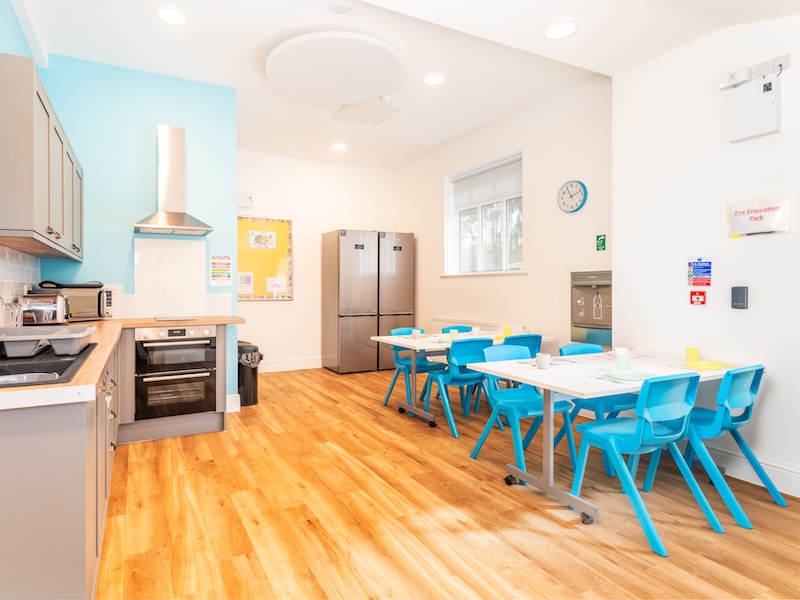
The Future of Educational Refurbishment
The landscape of education in the UK is changing, and so too are the spaces where teaching and learning take place. Traditional classrooms and corridors are giving way to dynamic environments designed to foster collaboration, technology integration, and well-being. In this climate, refurbishment has become more than a practical upgrade – it is a strategic investment in the future of education.
Across the country, schools, colleges, and universities are navigating a complex mix of challenges. According to recent reports, the sector faces real-terms funding pressures of more than £630 million next year, driven by rising costs and inflation. While the government’s latest spending review pledges billions in additional education funding by 2028, much of it will be absorbed by staffing costs and energy bills. This means educational institutions are under increasing pressure to make every refurbishment decision count, delivering maximum value over the long term.
At the same time, the need to modernise is urgent. Many of the UK’s education buildings are ageing, with £1.8 billion spent on maintenance and repairs in England alone over the past year. For some schools, it’s not just about refurbishing – it’s about rethinking how space is used to support modern methods of teaching and how best to support today’s pupils.
Flexibility lies at the heart of this. Static, single-purpose rooms are no longer enough in a world where lessons are delivered in varied formats. A lecture may turn into small group work, individual study, or creative project time, all within the same day. Refurbished spaces are now designed to adapt seamlessly, with layouts and furnishings that can be reconfigured quickly. This built-in adaptability helps institutions respond to changing pedagogies without the need for major structural alterations.
Technology is another driving force behind educational refurbishment. As hybrid and digital learning become increasingly common, schools and universities are investing in high-speed connectivity, integrated audio-visual systems, and smart teaching tools. These features are no longer optional extras — they are core to the way modern education is delivered. When technology is embedded at the design stage, it allows institutions to create spaces that are both functional and future-ready.
Inclusivity and well-being are also shaping how these environments are designed. Refurbishments now consider how lighting, acoustics, and materials affect concentration and comfort, especially for neurodiverse learners. Quiet breakout areas, natural finishes, and thoughtfully zoned spaces help create a supportive atmosphere that benefits everyone. These considerations go beyond meeting regulations – they directly influence learning outcomes and the overall experience for students and staff alike.
Sustainability is another priority. With energy costs rising and the UK working towards ambitious carbon reduction goals, refurbishments increasingly focus on improving efficiency and environmental performance. From low-energy lighting and natural ventilation to durable, low-maintenance finishes, sustainable choices benefit both the planet and the budgets of education providers. Outdoor learning spaces and the integration of greenery are also becoming more common, providing environments that support health and environmental awareness.
Undertaking refurbishments in an educational setting can also bring its own challenges. Works often need to be phased around term dates or even carried out while classes continue. Careful planning, clear communication, and close collaboration with stakeholders are essential to minimising disruption and ensuring safety.
For educational institutions, refurbishment is no longer simply about repairing buildings. It is about creating learning environments that are adaptable, inclusive, and inspiring. Read here how we supported Nine Points Property at the Compass Community School Fen Park. In a time of financial constraint and rising expectations, the schools and universities that take a strategic approach to their estates will be the ones best positioned to thrive. These are the spaces where education’s future will be built — flexible, connected, and ready to support generations to come.